Arcollab receives three AIA Atlanta Awards for Architectural Distinction
January 27, 2026

January 2026, ATHENS, GA

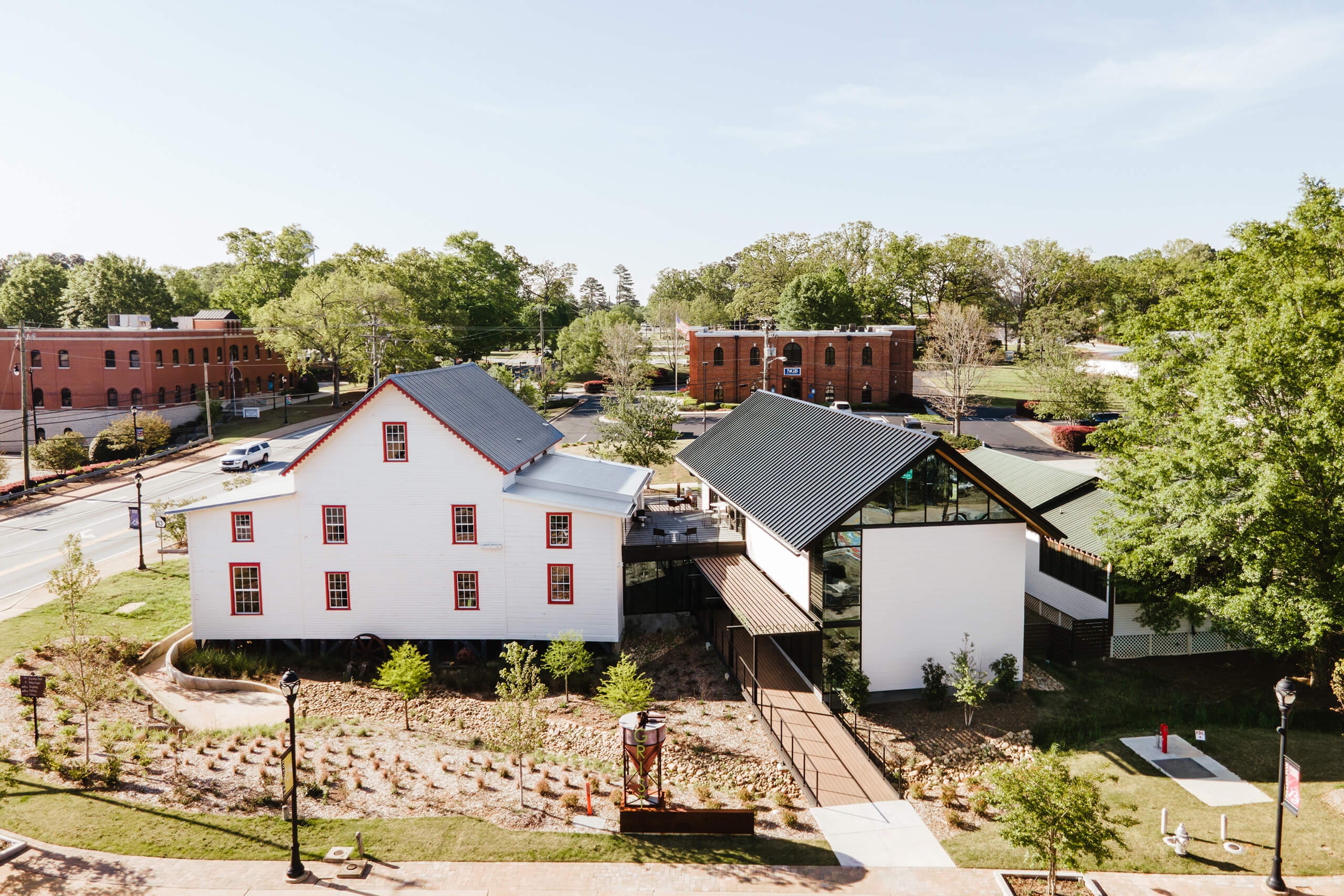
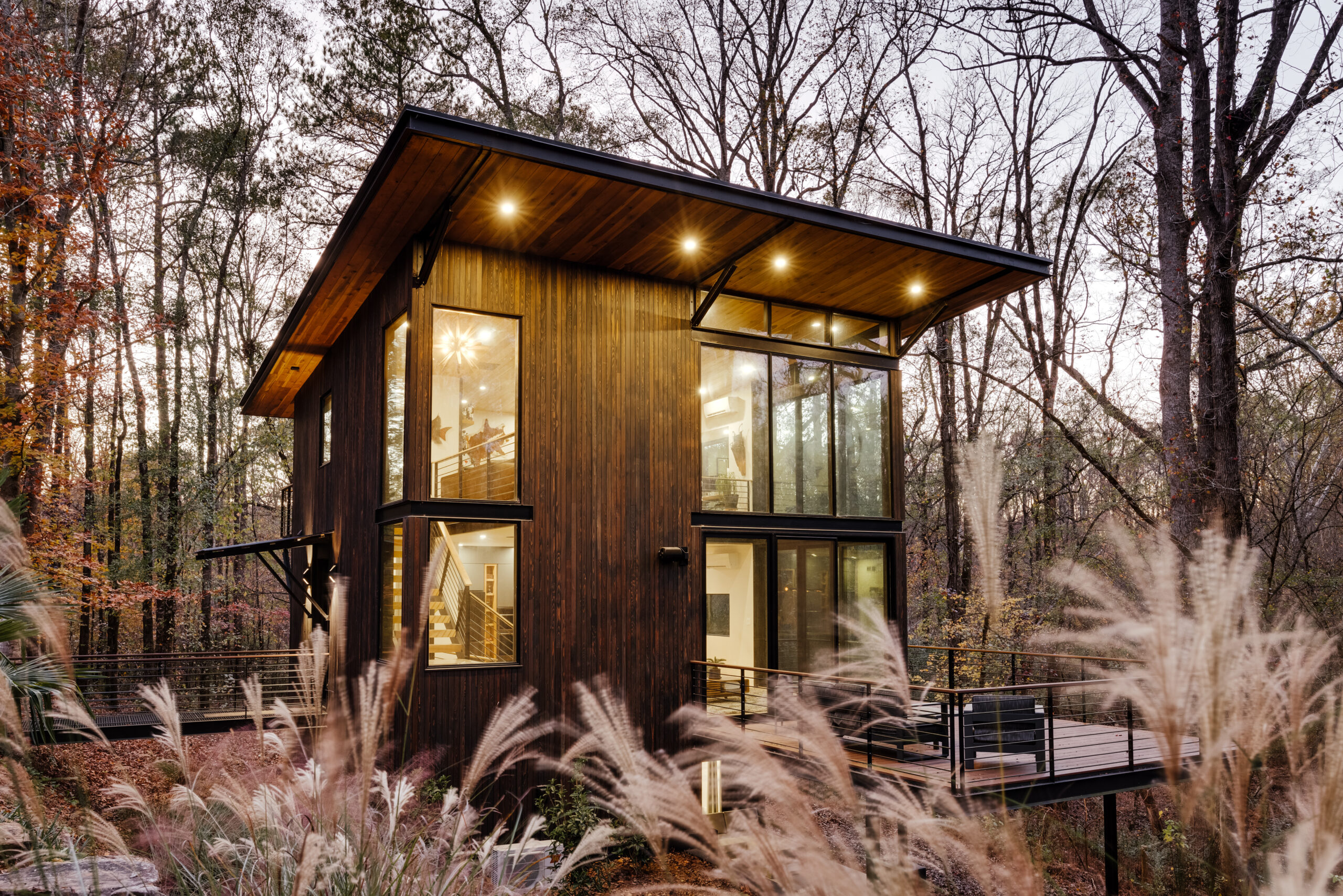
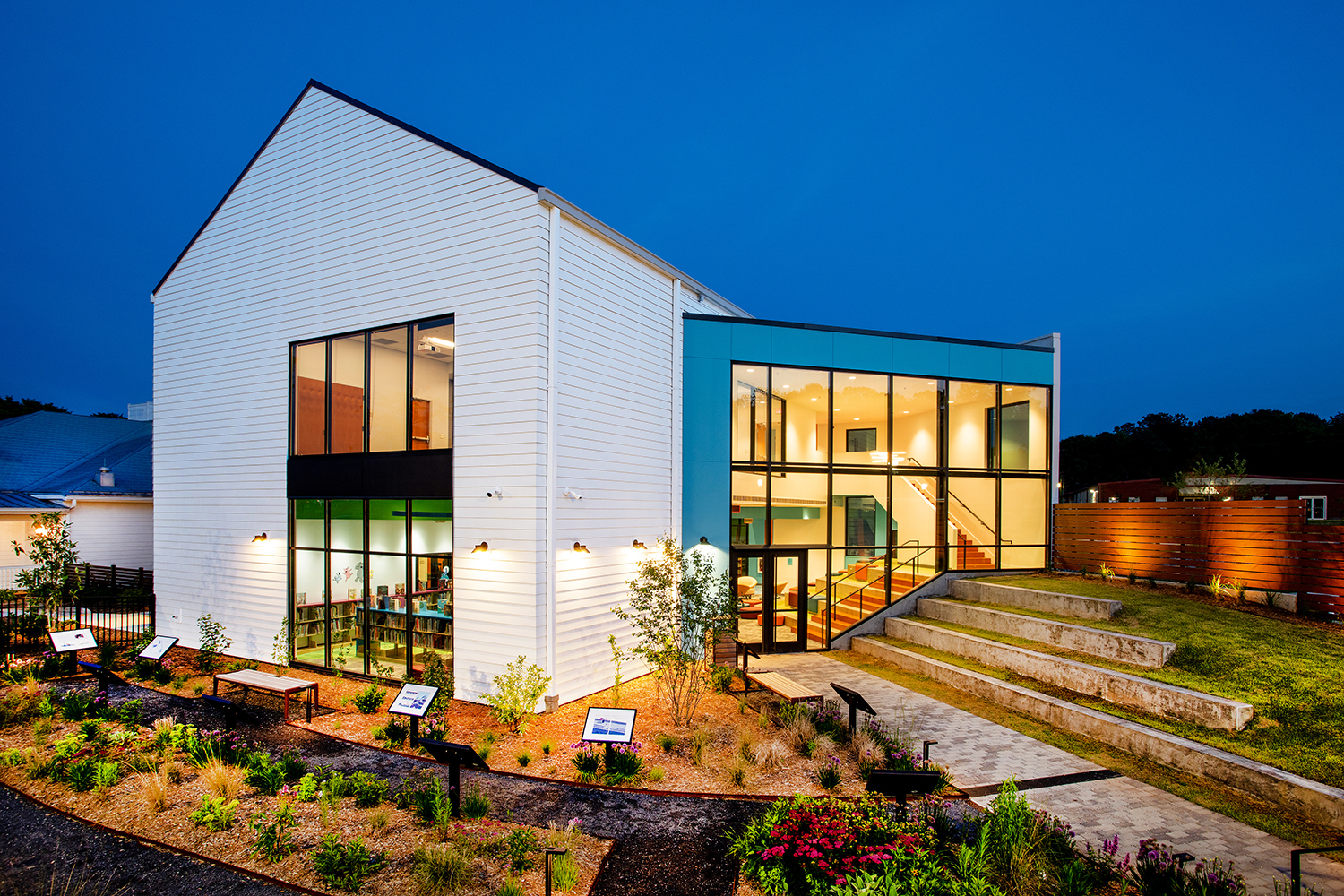
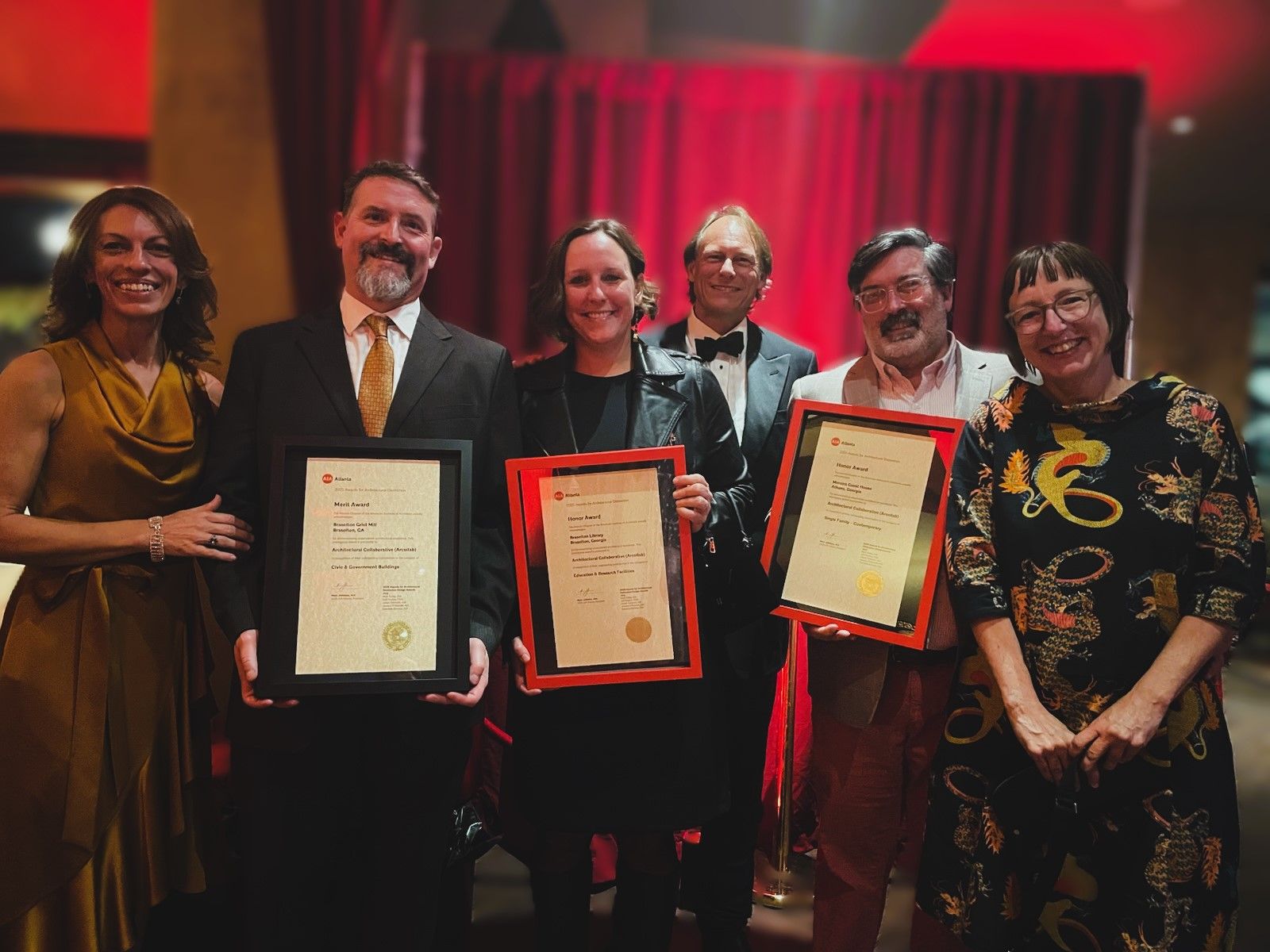
Arcollab had a big night at the recent AIA Atlanta Design Awards — taking home awards for all three categories for which our projects were finalists!

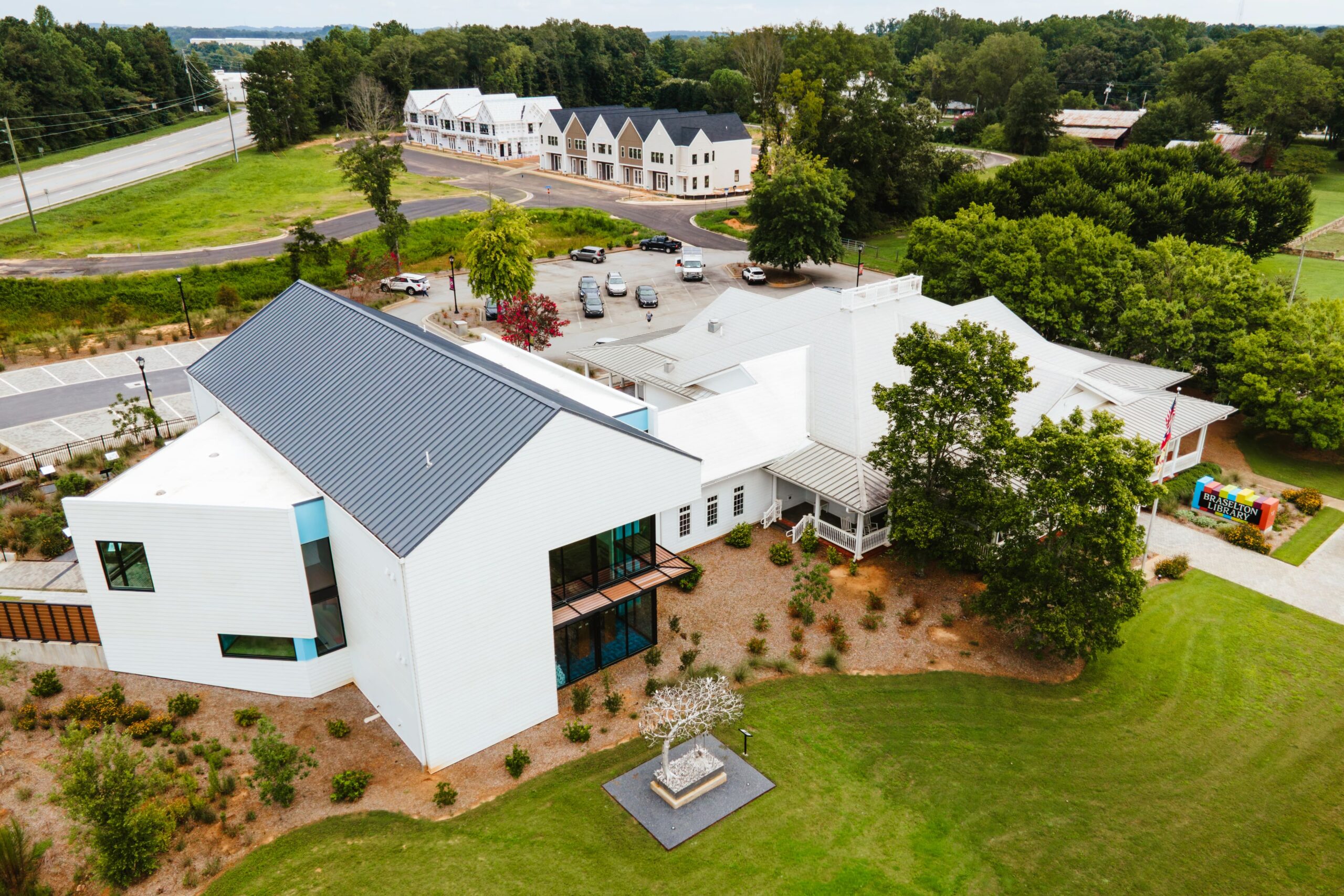
• Educational & Research Facilities — Honor Award for Braselton Library Addition
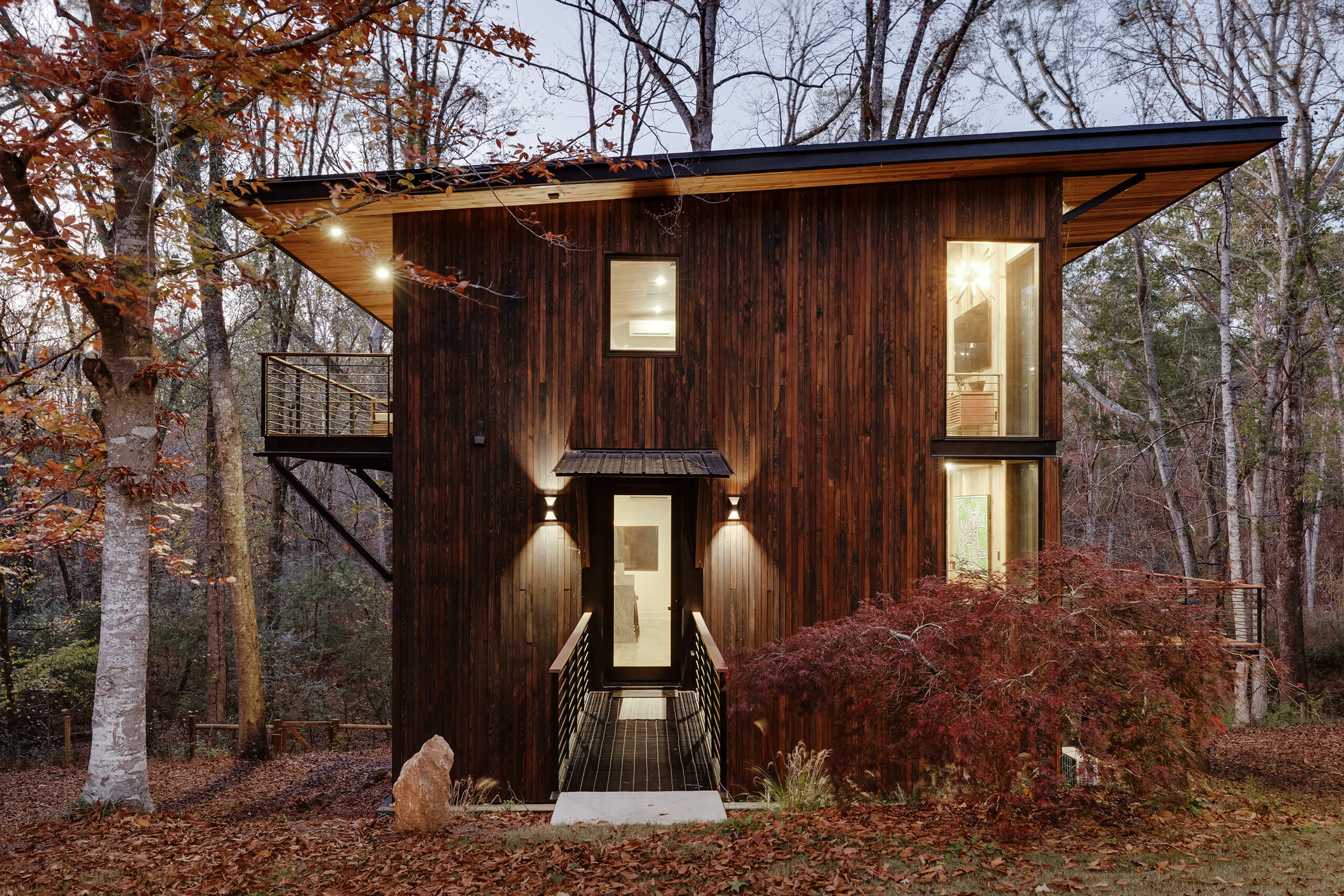
• Single-Family Contemporary — Honor Award for Moriera Guest House
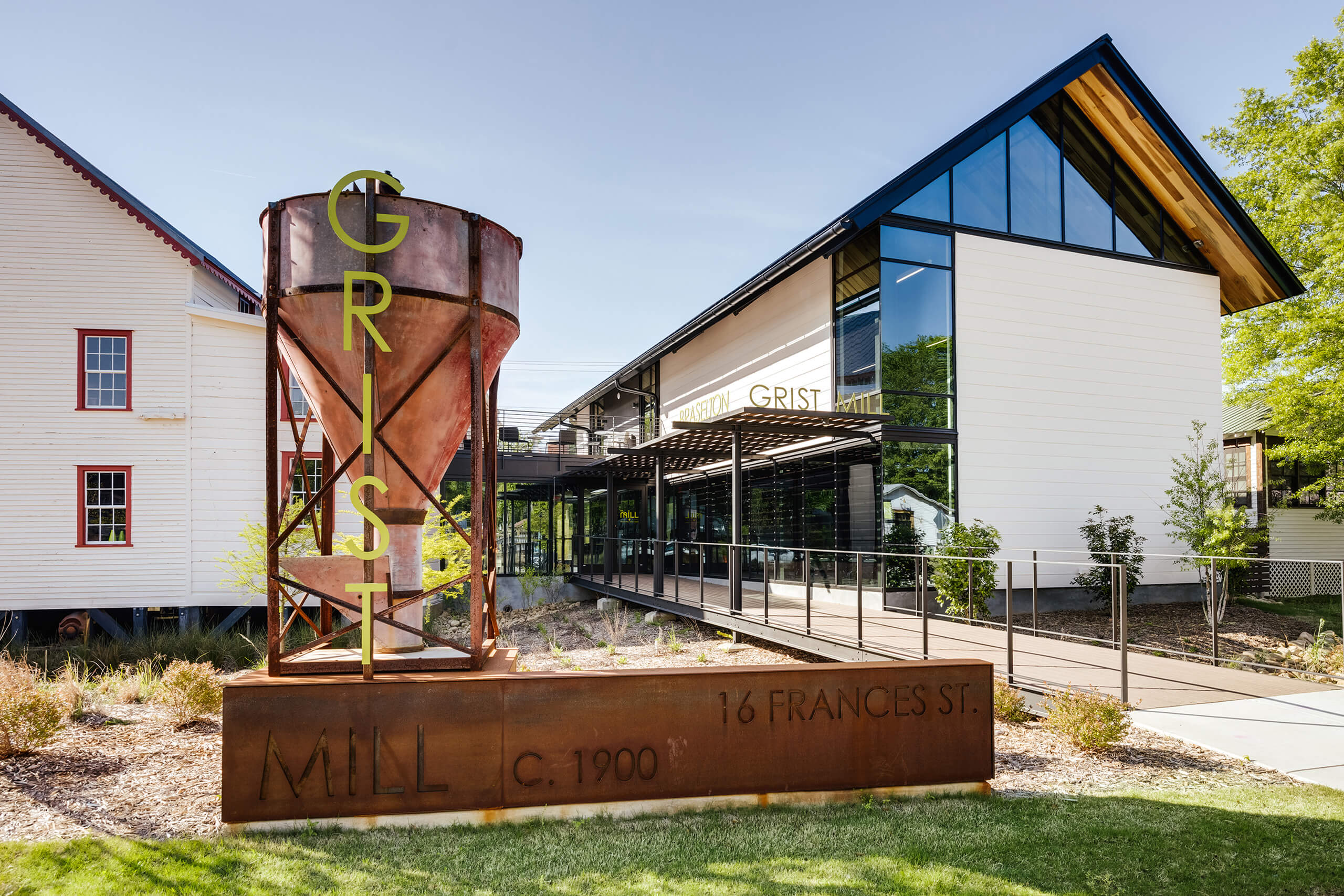
• Civic & Government Buildings — Merit Award for Braselton Grist Mill

These recognitions are part of the AIA Atlanta Awards for Architectural Distinction, celebrating design excellence across the region.

Congratulations to our incredible clients, consultants, and the entire Arcollab team who brought these projects to life. We’re grateful for the collaboration, trust, and dedication that make evenings like this possible.
Forbes recognizes Arcollab as one of America’s Best-In-State for 2025
November 4, 2025

October 28, 2025, ATHENS, GA

It is an honor for Arcollab to be recognized by Forbes as one of the 2025 Best-In-State Residential Architects in the United States.

According to Forbes, “America’s Best-in-State Residential Architects, as with all Forbes lists, is based on rigorous journalistic fact-finding and assessment, highlighting designers of single-family houses whose work stands apart for its excellence in the combined context of high design and distinctly place-based principles and practices of design and construction.” The evaluation followed a detailed methodology.

Biophilic design: Arcollab’s work and my last post
July 12, 2024

Summer blog series by Rachel Huff, entering freshman in the UGA College of Environment & Design and participant in Arcollab’s Foundations in Design after school program


Over the past few weeks I have explained the fundamentals of biophilic design and presented a few examples of how biophilic design is being used in practice. My hope is that you now have a better understanding of what biophilic design is and can start to take notice when biophilic design is being used in spaces. 


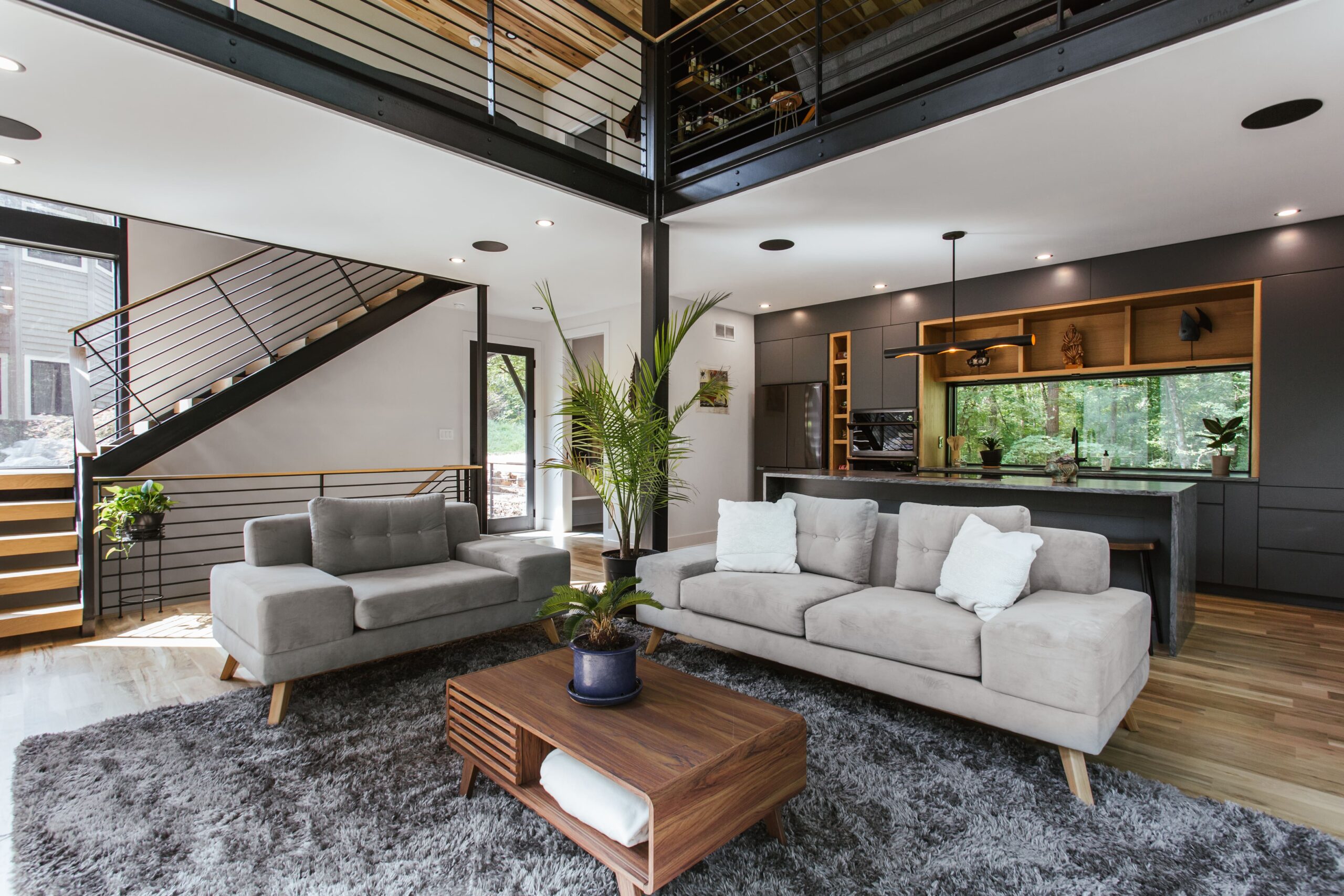
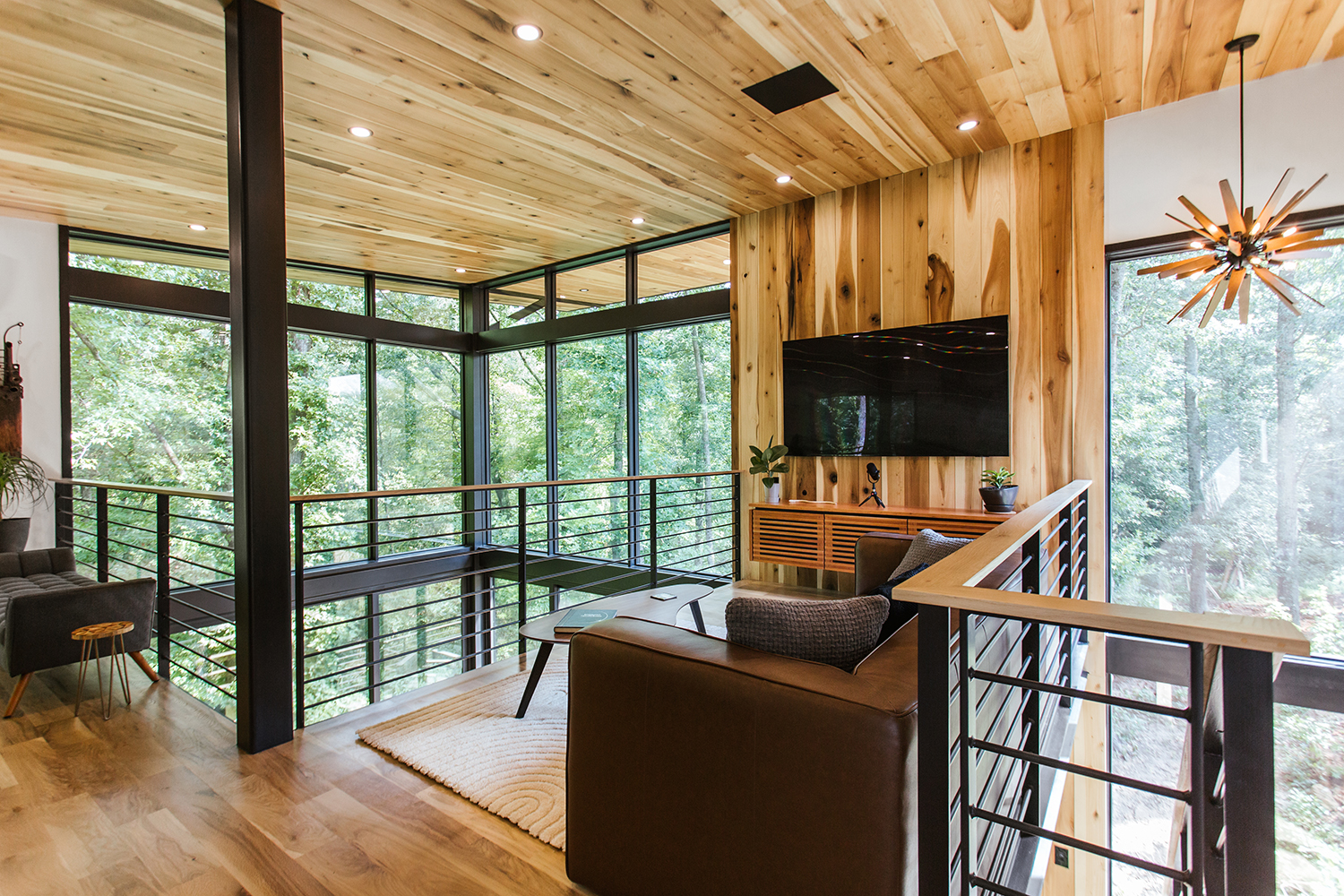
I know the Arcollab designers strive to incorporate these principles into their practice, and recent projects like the new Braselton Public Library Addition (top image) and the Downs Creek Guest House (bottom image) show how they have incorporated passive solar lighting, inside-outside connections, elements of nature inside, finish colors and natural materials into their work. Check out both of these projects and pick out the aspects of biophilic design in the images you see – they’re really cool!

As I have described in previous posts there are three main attributes of biophilic design:  direct experience of nature, indirect experience of nature, and experience of space and place. The direct experience of nature includes natural lighting, foliage and water features. The indirect experience of nature includes the use of natural materials and artwork that invokes nature. Finally the experience of space and place includes transitional spaces and the use of organized complexity.

When done well, these attributes will bring spaces closer to nature and can have many benefits to the people who are using the space. Research has been done that shows biophilic design can cause an increase in productivity and mental health. People are generally happier in spaces that have more contact with nature which is why biophilic design is such an important concept to consider when building a space. Biophilic design also usually leads to many sustainable design elements which is always a good thing. 

Once you know what to look for, you can find attributes of biophilic design almost everywhere. You can also imagine what some places could look like if only they incorporated these principles!

It is easy to assume that biophilic design is a concept only applied to new development, but because of human’s tendency to be drawn towards nature you can see influences of biophilic design even in historical structures. 

As the world becomes more and more urbanized it is even more important to learn about biophilic design so that even in urbanized spaces nature can still have a foothold.

I appreciate everyone who has read my blog and hopefully you are now more knowledgeable on the concept of biophilic design. I had a lot of fun writing each blog post and I hope you enjoyed reading them. Thank you.

Biophilic design in a corporate setting
July 9, 2024

Summer blog series by Rachel Huff, entering freshman in the UGA College of Environment & Design and participant in Arcollab’s Foundations in Design after school program
Story inspiration from: https://www.fosterandpartners.com/projects/apple-park
Image below from: https://www.thehimalayanarchitect.com/architecture/biophilic-design-reconnecting-humanity-with-nature/


Biophilic design is shown to help increase productivity so it is no surprise that many companies are employing aspects of biophilic design in their offices. Today I want to explore one of the most notable instances of this which is Apple Park, the corporate office of Apple. This office rings around a park which not only allows employees to have a place to go and connect to nature but also provides better natural lighting.

The park in the center of the building has over 4 miles of walking trails and includes ponds, sculptures, and social spaces. This park is the perfect space for workers to take a break and embrace the outside world.

Locating a park in the center of the building also provides natural views and sunlight to the building’s interior spaces. The walls of the building are filled with glass windows that look out onto the park. This allows people who are working inside of the building to still have a connection with nature which, in turn, helps to improve productivity. The natural lighting that the windows supply is also very important to productivity as well as the overall happiness of the workers.

The Apple headquarters is also fully powered by renewable energy. While it doesn’t provide any direct benefits to productivity, it does work to help protect the environment from pollution. It has been found that workers will have more pride in the place where they work because it is sustainably powered.

Apple did a good job at using biophilic design to create a space that will increase their workers productivity and happiness and also minimizes the impact of the building’s footprint on the planet.


The next blog post will be my last for this summer so I will be doing a recap of everything I have gone over the past two months. I hope you have enjoyed this exploration with me, and thanks for reading!

Biophilic Design: Evoking nature in residential living

Summer blog series by Rachel Huff, entering freshman in the UGA College of Environment & Design and participant in Arcollab’s Foundations in Design after school program
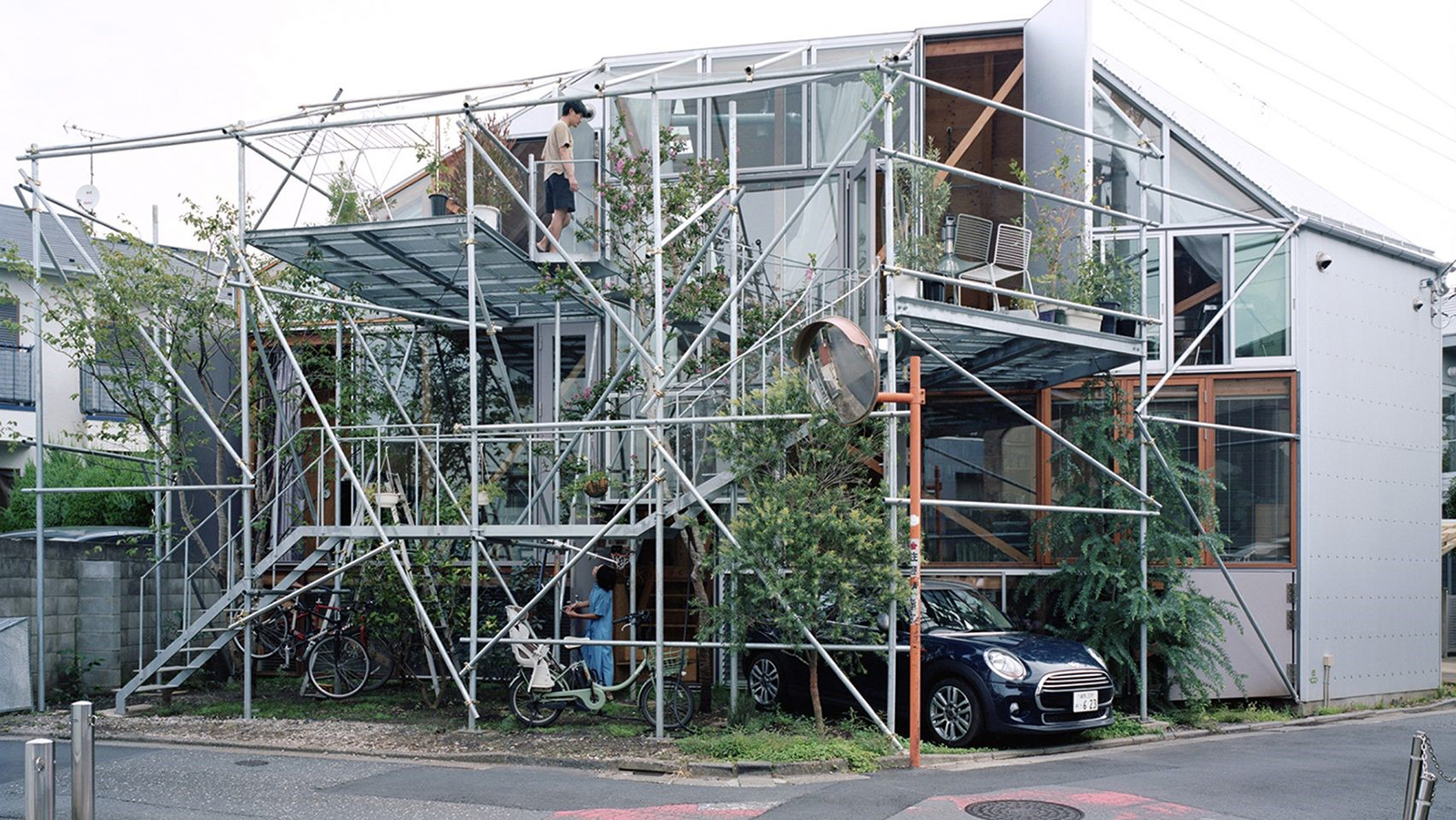
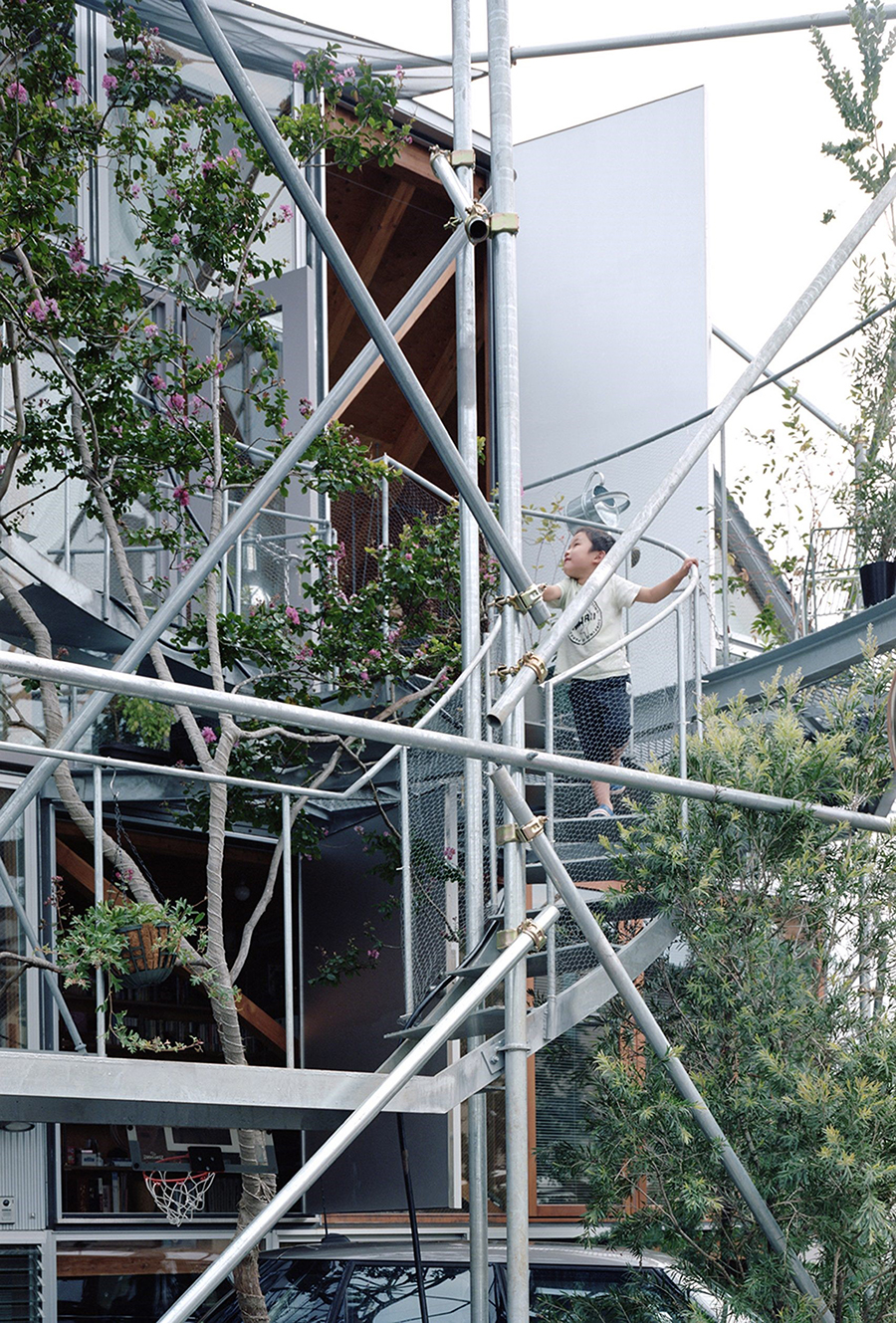
Images below and story inspiration from: https://www.dezeen.com/2020/08/27/suzuko-yamada-daita2019-japanese-house-scaffolding/


Today I want to look at a house that incorporates biophilic design in order to create a unique and nature invoking presence. The house in question resides in Tokyo, Japan, and was designed by architect Suzuko Yamada. Many biophilic components were used in the design of this house but I want to focus on two: Symbolism of nature and organized complexity.

The house resides in a residential sector of Tokyo. With more traditionally-designed houses surrounding it, the home certainly stands out! The house is encased in permanent scaffolding which allows for perches to tend to the various plants and trees in the yard. At first glance one might assume that the branching scaffolding and abundant greenery is actually a tree. This possible mistake is an example of symbolism of nature. The home resembles a tree which not only looks cool but also brings the house closer to nature.

Another aspect of biophilic design that this house incorporates is the use of organized complexity. The scaffolding surrounding the house draws the eyes in many different directions and yet a clear path can be seen to get through the scaffolding. Creating this complexity while still maintaining order allows for the brain to experience stimulation without getting overwhelmed.

It’s clear that Suzuko Yamada is very proficient in the use of biophilic design. This house in Tokyo is a refuge of the natural world in an urbanized city.

So far I have only shown examples of biophilic design in residential areas so for my next post I am going to explore biophilic design in a corporate office.

Biophilic Design: An example
June 28, 2024

Summer blog series by Rachel Huff, entering freshman in the UGA College of Environment & Design and participant in Arcollab’s Foundations in Design after school program
Images below from: https://www.40-44sayrespath.com


Now that we have a basic understanding of what biophilic design is, we can start looking at real world examples. I’ve enjoyed looking at some beautiful homes as I research this topic, and today I want to focus on 40 Sayres Path, a 9 bed and 10 bath home located in the Hamptons in New York. This house has many biophilic elements and is a fun place to start when looking at examples of biophilic design.

The first thing to note about this house is its windows. Almost every room in this house has floor to ceiling windows which not only helps bring in natural lighting but also provides a view to the outside. The house is surrounded by gardens, fountains, and ponds and the views from inside the house are focused on these outdoor elements. Along the same vein as windows, the house also uses skylights which bring natural light in from above as well.

40 Sayres path also incorporates a lot of natural materials and colors in the interior. In many of the main living spaces, the walls are lined with a light wood paneling. The use of wood helps the home feel more in tune with nature and the light color of the wood helps the home feel more light and pleasant to be in.

As I said before, the landscape surrounding the house is full of water features and gardens. Having greenery circle the house does a lot to bring the home closer to nature especially when the house’s windows provide views of these features. The house also has many outdoor living areas so the gardens can be enjoyed both inside and out. Some parts of the home even have greenery on the roof which, while you might not be able to see it from the inside, still adds to the biophilic effect of the house. The water features and gardens do a great job making the house feel embedded in nature.

I hope you agree that 40 Sayres Path is an interesting example of biophilic design. Almost every attribute of biophilic design that I described in earlier posts is used in some way in this house, and it is easy to see the appeal that these attributes have created in the house. In my next post I am going to explore the biophilic design elements of another residence.

Biophilic Design: Benefits of Biophilic Design
June 21, 2024

Summer blog series by Rachel Huff, entering freshman in the UGA College of Environment & Design and participant in Arcollab’s Foundations in Design after school program


Humans are increasingly disconnected from the natural world and biophilic design seeks to remedy that. Bringing humans closer to nature through design has many benefits. It can increase productivity, increase both mental and physical health, and is more sustainable for the environment. In this post I will take a deeper look into these benefits and how the use of biophilic design can impact them.

Humans evolved in the natural world so it is not a surprise that we find ourselves happier and healthier when we have some connection with nature. Many studies have been conducted about the effects biophilic design has on human health. Through these studies it has been shown that experience of nature can lower blood pressure, and reduce stress. Studies have also been done to show that having a view of nature in a hospital room can increase the speed of recovery in patients.

Biophilic design can also increase the productivity of the people using the space. A room with lots of natural lighting, art works, and a stimulating layout is much more pleasant to work in than a closed off cubicle at the back of a drab office. Biophilic design makes spaces more pleasant to be in and a place that is more pleasant for people to be in is a place where people will be more productive.

The positive environmental effects of biophilic design are also important to note. With the rapid urbanization we are experiencing, having spaces that incorporate nature in them helps to negate some of the negative effects urbanization has, especially in cities. Another environmental benefit of biophilic design is the awareness it raises, when people have more exposure to nature they are more likely to want to protect it. 

In this post I have listed some of the benefits biophilic design contributes to people and the environment. These benefits make it clear why biophilic design is such a good concept to use when creating a space.

Now that I have gone over the benefits of biophilic design as well as the main attributes, in my next few posts I will explore some examples of projects that have used biophilic design.